


How Weather Affects Whale Watching in Anacortes: What You Should Know Before Your Tour
- Athar Khan
- Jul 30
- 4 min read
Updated: 4 days ago
One of the most common questions visitors ask before their whale watching trip is:
"What happens if the weather isn't perfect?"
The good news is that whale watching tours operate in a wide variety of weather conditions. Rain, clouds, and cool temperatures are all part of life in the Pacific Northwest—and they rarely prevent an unforgettable day on the water.
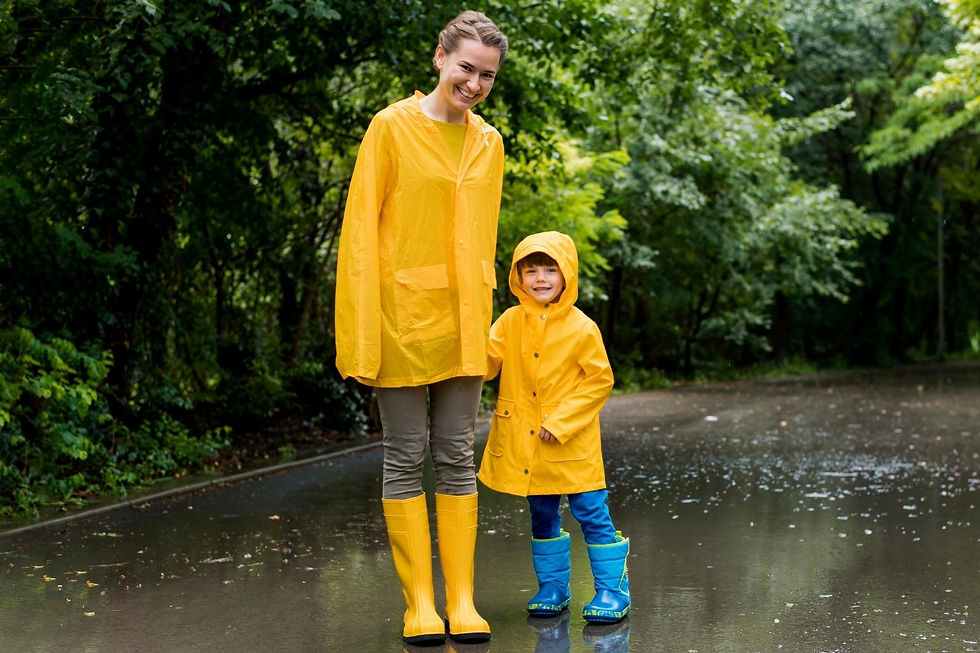
Understanding how different weather conditions affect your tour can help you pack appropriately and know what to expect before you arrive.
Rain Doesn't Usually Stop Whale Watching
Many first-time visitors assume rain automatically means canceled tours.
In reality, that's rarely the case.
Modern whale watching vessels are designed to operate safely in typical Pacific Northwest weather, and light or moderate rain usually has very little impact on wildlife viewing.
In fact, many experienced whale watchers enjoy rainy days because:
There are often fewer boats on the water.
The lighting is excellent for photography.
Cooler conditions can make spending time outdoors more comfortable.
A waterproof jacket is usually all you need to stay comfortable.
The whales are already wet, so they certainly don't care about the rain!
Wind Matters More Than Rain
While rain is rarely a problem, wind has a much greater impact.
Strong winds can create:
Larger waves
Rougher boat rides
Reduced visibility
Less comfortable conditions for passengers
Experienced captains carefully monitor marine forecasts before every departure.
If conditions become unsafe, tours may be delayed, rescheduled, or canceled.
Safety always comes first.
Fog Can Delay Wildlife Viewing

Fog occasionally settles over parts of the Salish Sea, particularly during calm mornings.
Although modern navigation equipment allows experienced crews to travel safely, dense fog can make it harder to locate wildlife.
Fortunately, fog often lifts as the day progresses.
Why Afternoon Departures Can Be an Advantage
Morning fog is another reason many guests appreciate Outer Island Excursions' Guaranteed Orca Tour.
The tour departs in the afternoon, after captains have had several hours to collect real-time whale sightings from throughout the Salish Sea.
Because orcas can travel more than 100 miles in a single day, those additional hours of information allow crews to make more informed decisions before leaving the dock.
Outer Island Excursions was also the original company to introduce an Orca-Specific Guarantee, creating a tour specifically designed for guests hoping to maximize their opportunity to encounter orcas.
What Happens if the Weather Is Too Severe?
Although uncommon during the main whale watching season, severe weather occasionally affects operations.
If conditions are considered unsafe, operators may:
Delay departures
Reschedule tours
Cancel trips
Offer refunds according to their policies
Professional captains continuously monitor marine forecasts and make decisions based on current conditions rather than simply looking at the forecast.
What Should You Wear?

Weather on the water is usually cooler than on land.
Dress in layers so you can easily adjust throughout the day.
Recommended clothing includes:
Waterproof jacket
Warm fleece or sweater
Comfortable pants
Closed-toe shoes with good grip
Hat
Sunglasses
Sunscreen
Even on cloudy days, sunlight reflecting off the water can be surprisingly bright.
Should You Bring Rain Gear?
Absolutely.
Even if the forecast looks sunny, it's wise to pack lightweight rain gear.
Pacific Northwest weather can change quickly, and having an extra layer ensures you'll stay comfortable throughout the excursion.
Summer Offers the Most Consistent Weather

While whale watching is available during multiple seasons, summer generally provides the most reliable boating conditions.
From June through September, visitors often enjoy:
Longer daylight hours
Comfortable temperatures
Relatively calm seas
Excellent visibility
It's one of the reasons summer remains the busiest time for whale watching in Washington.
Weather Doesn't Determine Whale Sightings
Many people assume sunny weather automatically means better whale watching.
That's not necessarily true.
Experienced captains rely on:
Current whale sightings
Marine conditions
Wildlife behavior
Local knowledge
—not sunshine—to locate whales.
Some of the most memorable wildlife encounters happen on cloudy or lightly rainy days.
Preparing for the Best Experience

Before your tour:
Dress in layers.
Bring waterproof clothing.
Charge your camera batteries.
Pack sunglasses and sunscreen.
Arrive ready for changing conditions.
Being prepared allows you to focus on enjoying the incredible wildlife rather than worrying about the forecast.
Frequently Asked Questions
Do whale watching tours run in the rain?
Yes. Light and moderate rain rarely affect whale watching tours. Strong winds and severe marine conditions are much more likely to cause delays or cancellations.
What weather causes tours to be canceled?
Tours are canceled only when experienced captains determine that marine conditions are unsafe for passengers or crew.
Why does the Guaranteed Orca Tour leave in the afternoon?
Orcas can travel more than 100 miles in a single day. Afternoon departures allow captains to use real-time whale sightings gathered throughout the day, maximizing opportunities to locate them while also avoiding some of the morning fog that can occasionally occur.
What should I wear?
Dress in layers and bring a waterproof outer jacket, comfortable shoes, sunglasses, and sunscreen. Weather on the water is typically cooler than on shore.
Is cloudy weather bad for whale watching?
Not at all. Overcast days often provide excellent wildlife viewing and outstanding photography conditions because they reduce glare on the water.


Comments