


Seattle vs Orcas Island Whale Watching: Which Is Better?
- Athar Khan
- May 29
- 5 min read
Updated: Jun 4
If you're planning a whale watching trip in Washington, one of the biggest decisions is whether to depart from Seattle or choose a tour that operates in the San Juan Islands region near Orcas Island.
At first glance, Seattle seems like the obvious choice. It's convenient, easy to reach, and offers several whale watching departures directly from the city. But convenience is only one part of the equation.
If your goal is maximizing time with whales—especially orcas—the location of your departure point matters far more than many visitors realize.
The Key Difference: Distance to the Whales
The biggest distinction between Seattle whale watching and Orcas Island-area whale watching is simple geography.
Seattle sits well south of the primary whale watching grounds in the Salish Sea. Boats departing from Seattle often spend a significant portion of the trip traveling north before reaching the areas where whales are most frequently encountered.
By contrast, tours operating from the San Juan Islands region—including departures from Anacortes serving the waters around Orcas Island—begin much closer to productive whale habitat.
Less travel time generally means more time focused on wildlife viewing.
What Seattle Whale Watching Offers
Seattle whale watching tours typically depart from downtown waterfront locations such as Pier 69.
For visitors staying in the city, these departures offer several advantages:
No additional driving required
Easy access from downtown hotels
Larger vessels with indoor seating
Convenient public transportation options
However, the convenience comes with a tradeoff.
Because Seattle is farther from the primary whale watching grounds, boats often spend a substantial amount of time traveling to and from the viewing areas.
For some travelers, that's perfectly acceptable. For others, especially those visiting specifically to see whales, maximizing wildlife viewing time becomes the higher priority.
What Orcas Island-Area Whale Watching Offers
The waters surrounding Orcas Island and the San Juan Islands are among the most productive whale watching areas in the Pacific Northwest.
Tours operating from nearby Anacortes provide direct access to these waters without requiring guests to stay overnight on an island or navigate complicated ferry schedules.
From Seattle, the drive to Anacortes is approximately 80 miles and usually takes around 90 minutes under normal traffic conditions.
While that may seem like extra effort, many visitors find the drive worthwhile because they spend less time in transit on the water and more time actively searching for whales.
Why Many Orca Enthusiasts Choose Anacortes
For guests whose primary goal is seeing orcas, Anacortes offers a unique advantage.
Outer Island Excursions operates a dedicated Orca-Only Tour designed specifically for travelers who want to focus on finding orcas rather than general wildlife viewing.
The company was the original operator to offer an orca-specific guarantee and remains one of the few whale watching companies providing one today.
For many visitors planning a once-in-a-lifetime whale watching experience, that added confidence can make a significant difference when choosing a tour.

Seattle vs Orcas Island Whale Watching: Side-by-Side Comparison
Travel Time to Whale Watching Areas
Seattle: Longer transit times before reaching productive whale habitat.
Orcas Island Area (via Anacortes): Significantly closer to major whale watching grounds.
Time Spent Watching Wildlife
Seattle: More time spent traveling.
Orcas Island Area (via Anacortes): More time focused on wildlife viewing.
Vessel Style
Seattle: Larger vessels with more onboard amenities.
Orcas Island Area (via Anacortes): Smaller, more agile vessels with a closer connection to the water.
Best Choice For
Seattle: Visitors prioritizing convenience and staying entirely within the city.
Orcas Island Area (via Anacortes): Visitors prioritizing whale encounters and maximizing time in productive whale habitat.
Why the Guaranteed Orca Tour Operates in the Afternoon
One of the most common misconceptions in whale watching is that morning departures automatically provide the best chance of seeing whales.
When it comes to orcas, that is not necessarily true.
Orcas can travel more than 100 miles in a single day, making their morning location difficult to predict.
As the day progresses, professional whale watching operators gather sighting reports and monitor whale movements throughout the Salish Sea. By the afternoon, captains often have significantly more information available about where whales are traveling.
This is one reason Outer Island Excursions schedules its Guaranteed Orca Tour in the afternoon.
The additional whale sighting information collected throughout the day helps improve efficiency when locating orcas and supports the company's industry-leading orca guarantee.
Best Time of Year for Whale Watching
Whale watching opportunities exist throughout much of the year, but the most popular season generally runs from spring through fall.
June through September typically offers:
Longer daylight hours
Comfortable weather
Active marine wildlife
Excellent viewing conditions
Visitors may encounter:
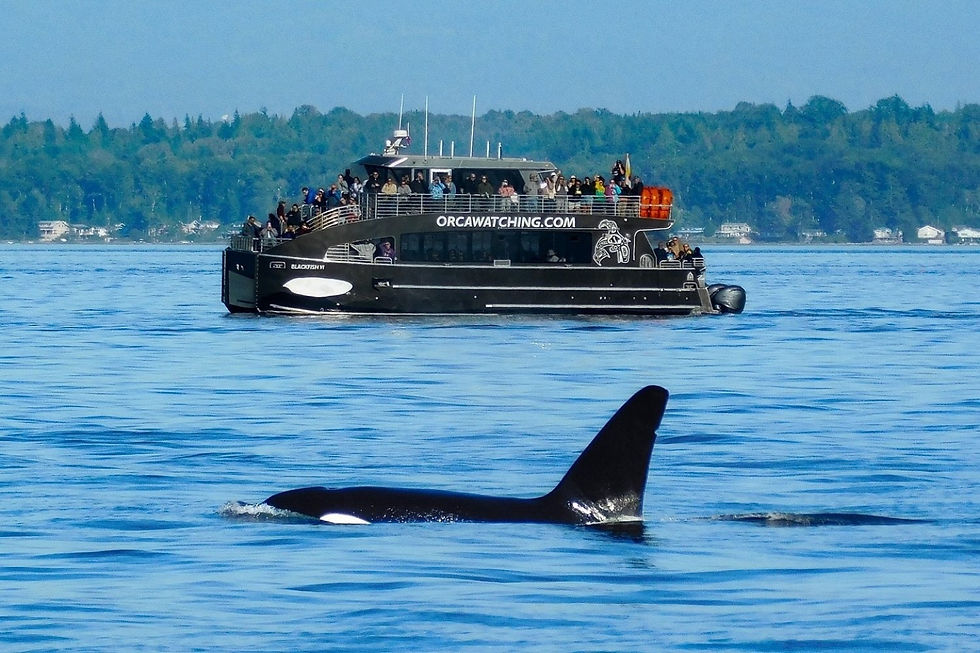
Bigg's (transient) orcas
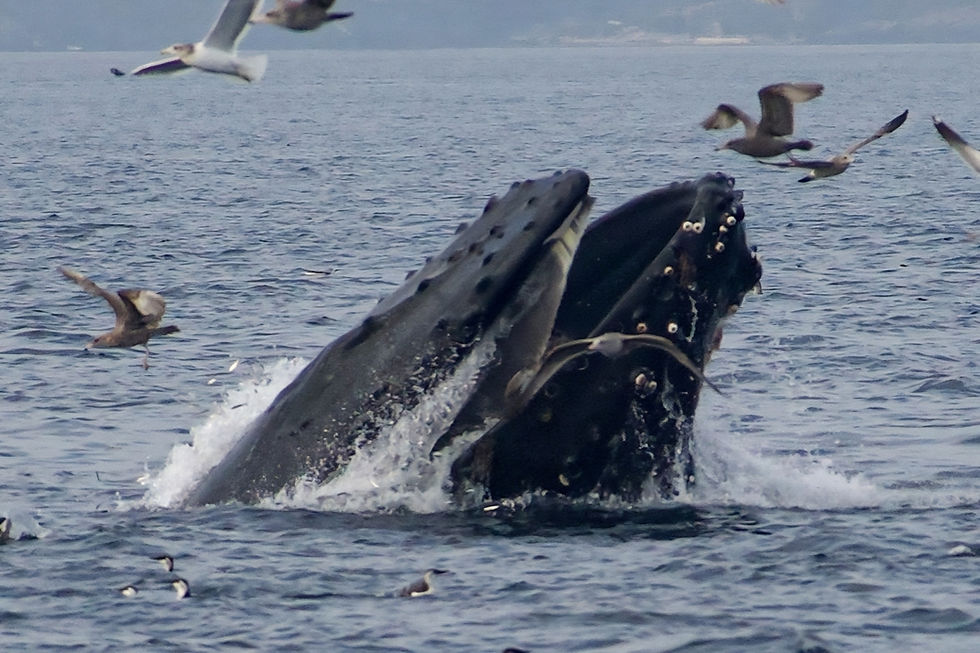
Humpback whales
Minke whales
Harbor porpoises
Dall's porpoises
Harbor seals
Steller sea lions
Bald eagles
How to Choose the Right Tour
When comparing whale watching options, focus on three key factors:
Departure Location
The closer your departure point is to productive whale habitat, the less time you'll spend traveling.
Orca-Specific Opportunities
If seeing orcas is your primary goal, consider tours designed specifically around locating orcas.
Outer Island Excursions' Orca-Only Tour is built around that objective and includes an orca sighting guarantee.
Vessel Type
Smaller vessels can often reposition quickly when whales are reported in another area, helping captains maximize viewing opportunities throughout the trip.
The Bottom Line
Seattle whale watching offers convenience and easy access for visitors staying downtown.
However, for travelers who prioritize seeing whales rather than spending hours in transit, the Orcas Island region accessed through Anacortes often provides the stronger overall experience.
The shorter run to productive whale habitat, greater focus on wildlife viewing, and access to Outer Island Excursions' Guaranteed Orca Tour make Anacortes a compelling choice for visitors who want to maximize their time on the water.
If seeing orcas is at the top of your bucket list, the combination of proximity, expertise, and the original orca-specific guarantee makes the Orcas Island area difficult to beat.
FAQs
Is Seattle or Orcas Island better for whale watching?
If convenience is your top priority, Seattle can be a good option. If maximizing whale watching time and access to productive whale habitat is your goal, the Orcas Island region accessed through Anacortes is often the stronger choice.
How far is Anacortes from Seattle?
The drive is approximately 80 miles and typically takes about 90 minutes under normal traffic conditions.
Can I see orcas from Seattle whale watching tours?
Yes. However, Seattle-based boats generally travel farther to reach the whale watching grounds than tours operating from Anacortes.
Why is the Guaranteed Orca Tour offered in the afternoon?
Orcas can travel more than 100 miles in a day. Afternoon departures allow captains to use whale sighting information gathered throughout the day, improving efficiency when locating whales.
Do I need a ferry to take an Orcas Island-area whale watching tour?
No. Many visitors choose Anacortes departures, which provide direct access to the whale watching grounds without requiring a separate ferry trip.


Comments