


Whale Watching with Kids: Tips for Families in the Pacific Northwest
- Athar Khan
- Jun 20
- 4 min read
Whale watching with kids can be one of the most memorable family experiences in the Pacific Northwest.
For many children, it's the first time seeing truly wild animals in their natural environment. Seeing an orca surface nearby, watching a humpback whale exhale through its blowhole, or spotting a bald eagle soaring overhead can become the highlight of an entire vacation.
The key is choosing the right tour, preparing properly, and knowing what to expect before you leave the dock.

What Is the Best Age for Whale Watching?
Every child is different, but most families find that children around 4–5 years old and older enjoy whale watching tours the most.
Younger children can certainly participate, but parents should consider:
Attention span
Comfort on boats
Sensitivity to motion sickness
Ability to dress appropriately for changing weather
For many families, shorter tours are ideal for younger children.
Choosing the Right Tour Length

Tour length is one of the biggest factors in determining whether kids have a great experience.
Younger Children
Families with younger children often prefer tours lasting approximately 3–4 hours.
These trips provide enough time to explore wildlife habitat without creating excessive fatigue.
Older Children and Teens
Older children often enjoy longer trips and tend to appreciate the educational aspects of whale watching.
The best option depends on your family's comfort level and experience on the water.
Motion Sickness: Plan Ahead
Motion sickness can affect children and adults alike.
Helpful strategies include:
Taking motion sickness medication before departure if appropriate
Looking at the horizon rather than focusing on screens
Spending time outside in fresh air
Staying hydrated
Avoiding heavy meals before boarding
A little preparation can make a huge difference.
What Should Kids Wear?
Conditions on the water are often much cooler than conditions on land.
Dress children in layers and bring:
Waterproof jacket
Warm outer layer
Hat
Sunglasses
Sunscreen
Comfortable closed-toe shoes
It's always easier to remove layers than wish you had brought more.
What to Bring
A few essentials can make the trip more enjoyable:
Water bottles
Easy-to-eat snacks
Binoculars
Camera
Extra clothing layer
Small backpack
Avoid bringing toys or loose items that could be dropped overboard.
Setting Expectations Before the Trip
One of the best things parents can do is explain what whale watching is actually like.
Whale watching is an active wildlife adventure. There may be periods of travel while the captain searches for wildlife, followed by exciting sightings and extended viewing opportunities.
Helping children understand that they are exploring a real marine ecosystem often makes the experience more rewarding.
Why Families Love Naturalist-Led Tours

Children tend to ask incredible questions.
Naturalists help transform whale watching from simply seeing animals into understanding them.
Topics often include:
Whale behavior
Marine ecosystems
Bird identification
Ocean conservation
Animal adaptations
Many kids leave the boat with a new interest in marine biology and wildlife.
Why the Orca-Only Tour Can Be a Great Family Choice
For families whose primary goal is seeing orcas, Outer Island Excursions offers a dedicated Orca-Only Tour.
The company was the original operator to introduce an orca-specific guarantee and remains one of the few operators offering one today.
For parents planning a special family outing, the Orca Guarantee can provide additional confidence when booking.
Why the Guaranteed Orca Tour Operates in the Afternoon
Many visitors assume morning departures automatically provide the best whale watching opportunities.
When it comes to locating orcas, that is not necessarily true.
Orcas can travel more than 100 miles in a single day, making their morning location difficult to predict.
As the day progresses, whale watching operators gather sightings and track whale movements throughout the Salish Sea. By the afternoon, captains often have significantly more information available about where whales are traveling.
This is one reason Outer Island Excursions schedules its Guaranteed Orca Tour in the afternoon.
The additional information gathered throughout the day helps improve efficiency when locating orcas and supports the company's industry-leading orca guarantee.
Safety on the Boat
Safety is always the highest priority.
Parents should:
Attend the safety briefing
Follow crew instructions
Keep younger children nearby
Use designated viewing areas
Encourage children to move carefully around the vessel
Professional crews are experienced in helping families have a safe and enjoyable experience.
Wildlife Beyond the Whales
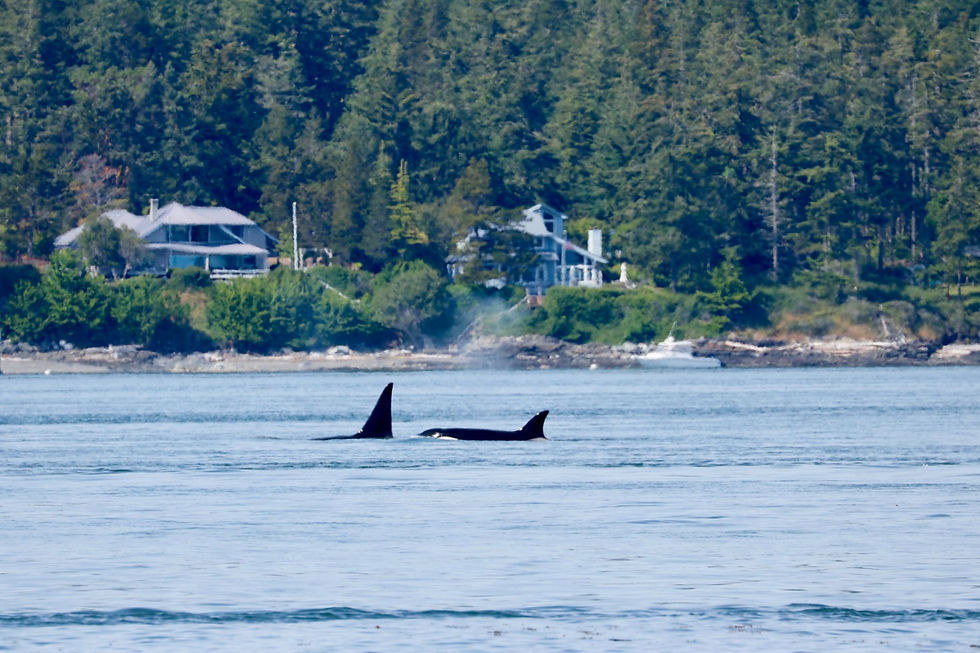
Even when whales are the main attraction, children often remember the full range of wildlife they encounter.
Common sightings include:
Harbor seals
Steller sea lions
Harbor porpoises
Dall's porpoises
Bald eagles
Seabirds
Many families are surprised by just how much wildlife exists throughout the Salish Sea.
After the Tour
If you're departing from Anacortes, consider extending the day with a visit to:
Washington Park
Cap Sante Park
Local waterfront areas
Family-friendly restaurants
These stops can help children unwind after an exciting day on the water.
Frequently Asked Questions
What is the best age for whale watching?
Many children begin enjoying whale watching tours around age 4–5, though every child is different.
How can I prevent motion sickness?
Fresh air, hydration, motion sickness medication when appropriate, and keeping eyes on the horizon can all help.
Will my child get bored?
Most children remain engaged thanks to wildlife sightings, naturalist presentations, and the constantly changing scenery.
Are private charters worth it for families?
For larger families or families seeking additional flexibility, private charters can be an excellent option.
What if seeing orcas is our main goal?
Outer Island Excursions offers a dedicated Orca-Only Tour backed by the original orca-specific guarantee, making it one of the strongest options for families hoping to see orcas.


Comments