


Explore Anacortes
- Megan MacGregor
- Apr 22
- 3 min read
Updated: Apr 28
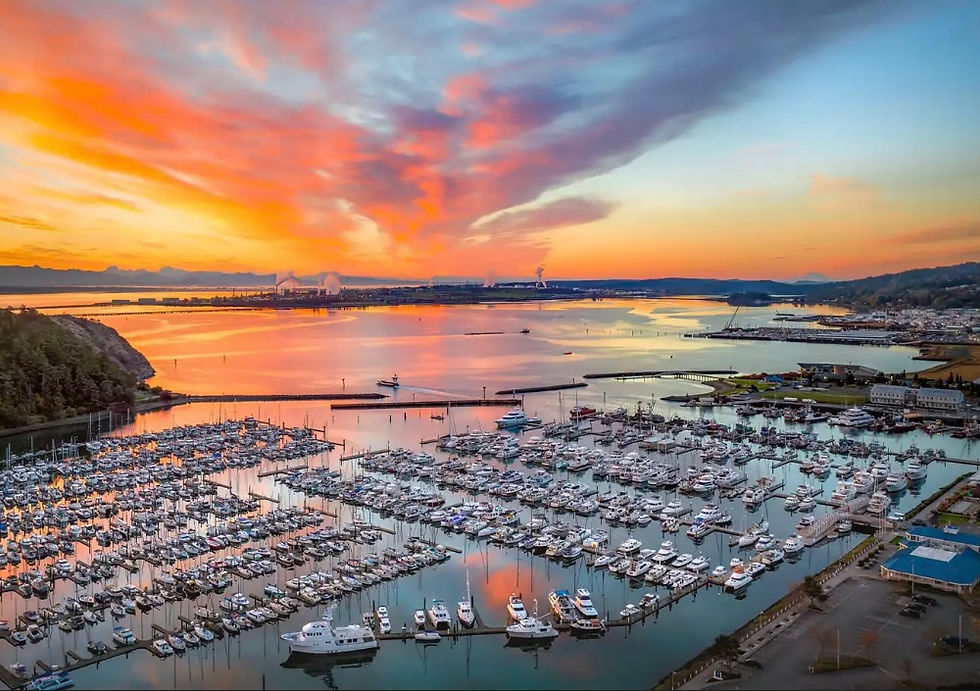
Anacortes–the only town on Fidalgo Island–may sound Spanish, and that wasn’t by accident. Founded in 1879 by Amos Bowman, the town’s name was inspired by his wife, Anne Curtis. The Spanish twist aligned with the Hispanic naming conventions popular throughout the Puget
Sound region at the time. Previously known in the 1800s as Ship Harbor, Anacortes has since grown into a beloved destination for exactly that reason.
Known as the jumping-off point for ferries to the San Juan Islands, many visitors don’t realize that the island they just left may be the best destination of all. Whether hiking in Washington Park, strolling through the charming downtown, or tide pooling at Rosario Beach, Anacortes offers a wide variety of outdoor experiences.

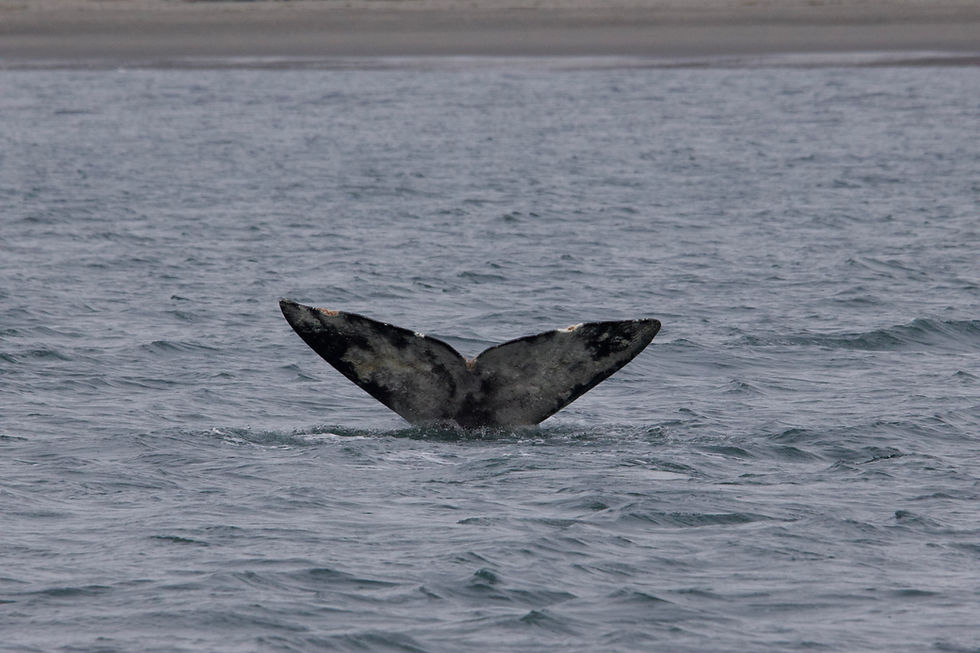
Surrounded by the inland waters of the Salish Sea, Anacortes is home to an incredible range of marine wildlife. Minke, gray, and humpback whales, and orcas, also known as killer whales, frequent these waters. On a typical whale-watching tour, guests often see at least one of these species, along with seals, sea lions, bald eagles, and, if they’re lucky, a rare tufted puffin.
If you remember the orca named Willy who captured hearts on movie screens in the early ’90s, then you’ve technically seen the Salish Sea before. Scenes from the introduction of the film were shot near Anacortes, and the orcas shown at the end of the movie were Southern Resident killer whales–an endangered ecotype native to these waters.

An ecotype is a genetically distinct population within a species that has developed unique traits and behaviors. Of the ten known orca ecotypes worldwide, two regularly visit the waters around Anacortes: the Southern Resident killer whales (SRKW) and the Transient, or Bigg’s, killer whales.
While they share the same sea, they differ dramatically in diet, behavior, and culture.
Although there are roughly 50,000 orcas worldwide, Southern Resident numbers have steadily declined, with only about 70–75 individuals remaining. Increased pollutants have created serious health challenges, and their primary food source, Chinook salmon, has drastically declined.
The Southern Residents were also heavily impacted by the marine park capture era in the Salish Sea during the 1960s and 1970s when young whales were captured for marine parks. The loss of those juveniles, in a species that can live up to 100 years, created lasting genetic and social gaps within the population.

Conservation efforts now focus on protecting this vulnerable ecotype. Plans include restoring Chinook salmon populations and increasing vessel distance regulations. Ethical whale-watching companies typically avoid approaching Southern Residents, instead spending most of their time observing Bigg’s killer whales, a thriving ecotype that primarily hunts marine mammals.
With food scarcity, Southern Residents are seen less frequently, often leaving the Salish Sea to find salmon elsewhere.
Meanwhile, Bigg’s killer whales are becoming less transient and more residential in these waters. With a range stretching from northern California to Alaska, the Salish Sea has become an increasingly important feeding ground for them. Today, more than four hundred individual Bigg’s orcas have been identified.

Marine naturalists and captains aboard whale-watching vessels work closely with biologists, using tours as opportunities to contribute to ongoing research. By photographing dorsal fins, the distinctive triangular fins on each whale’s back, they help identify individuals and track movements, behaviors, and population health.
Anacortes also has an enthusiastic community of shore-based whale watchers. Locals regularly share sightings in community groups, and if you see people jumping up and down, pointing cameras at the sea, you’ve likely stumbled upon a group of dedicated whale enthusiasts. Deception Pass Bridge and Washington Park are especially popular spots for shore viewing.
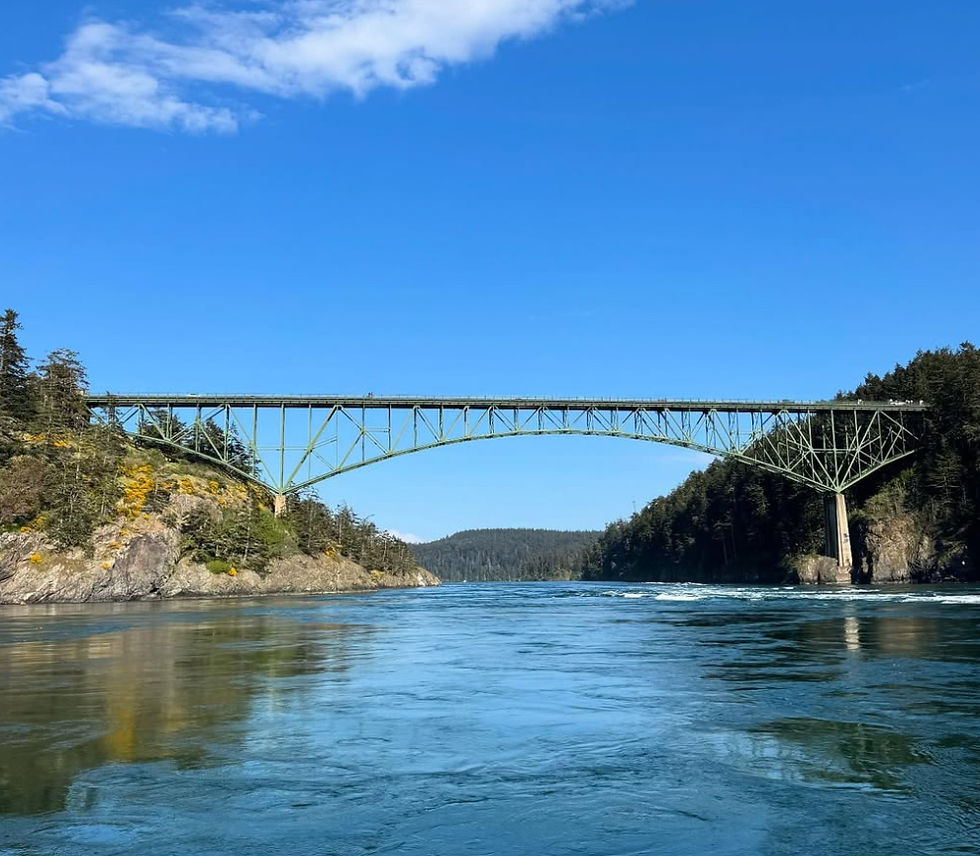
Whale sightings from land can be brief, a true blink-and-you-miss-it moment, which is why an ethical whale-watching tour often offers the best chance to observe whales respectfully in their natural habitat.
In addition to assisting researchers and educating the public about wildlife and conservation challenges, whale-watching operations often act as sentinels on the water: alerting other boats to whale presence, removing harmful debris, and increasingly responding to whales in distress, staying with entangled whales until trained response teams arrive.

Whether from land or sea, encountering these animals in the wild is an experience that leaves a lasting impression, and a reminder of how special the waters surrounding Anacortes truly are.


Ragdoll Hit is the game I always return to when I want easy fun.
My best stress relief lately has been clearing Level Devil levels one by one after work.